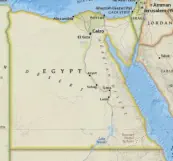

Imagine yourself gliding along the serene waters of the Nile, the world's longest river, as you embark on a river cruise through Egypt. This journey offers a unique blend of ancient history, stunning landscapes, and modern luxury.As your cruise ship sails from Luxor to Aswan, you'll pass by some of Egypt's most iconic landmarks. The majestic temples of Karnak and Luxor, with their towering columns and intricate carvings, stand as testaments to the grandeur of ancient Egyptian civilization. The Valley of the Kings, where pharaohs were laid to rest in elaborate tombs, offers a glimpse into the afterlife beliefs of this fascinating culture.Onboard, you'll enjoy the comforts of a modern cruise ship, complete with luxurious cabins, gourmet dining, and a range of amenities. Relax on the sun deck with a refreshing drink in hand, or take a dip in the pool as you watch the ever-changing scenery pass by.Each day brings new adventures as you disembark to explore the wonders along the Nile. Visit the Temple of Edfu, dedicated to the falcon god Horus, and the Temple of Kom Ombo, unique for its dual dedication to two gods, Sobek and Haroeris. In Aswan, marvel at the engineering feat of the Aswan High Dam and take a leisurely sail on a traditional felucca boat.A Nile river cruise is not just a journey through Egypt; it's a voyage through time, offering an unforgettable experience that combines the best of ancient and modern worlds. Whether you're a history buff, a nature lover, or simply seeking a relaxing getaway, a cruise on the Nile promises to be an adventure of a lifetime.
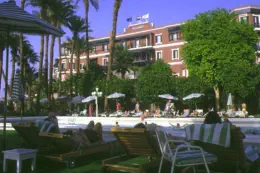
ASWANXDe stuwdam en de granietgroeven. Hier vindt men nog een 42 m lange 'onvoltooide obelisk'. Er wordt verteld hoe de oude Egyptenaren overgingen tot het in één stuk uithouwen van obelisken uit de typisch rose graniet, eigen aan de streek.In de stad vind je het beroemde hotel ‘Old Cataract’ASWANThe dam and the granite quarries. Here you will find another 42 m long 'unfinished obelisk'. It is told how the ancient Egyptians proceeded to cut out obelisks in one piece from the typical rose granite, typical of the region.In the city you will find the famous hotel 'Old Cataract'
X
EDFOUIn Edfou gaat het per calèche naar de site voor bezoek aan de tempel, opgedragen aan de god Horus die afgebeeld wordt als een valk. Het dak van de tempel wordt gedragen door prachtige, in reliëf bewerkte palmzuilen. In dit tempelcomplex werden in een soort laboratorium heilige parfums gemaakt. Moderne Franse parfum ontwerpers, zoals Chanel, kopieerden hier de samenstellingen.KOM OMBO -De tempel gewijd aan de valkgod Haroëris en de krokodilgod Sobek kun je in Kom Ombo bezoeken.EDFOUEDFOEIn Edfou it goes by calèche to the site for a visit to the temple, dedicated to the god Horus who is depicted as a falcon. The roof of the temple is supported by beautiful, embossed palm pillars. In this temple complex sacred perfumes were made in a kind of laboratory. Modern French perfume designers, such as Chanel, copied the compositions here.KOM OMBO -The temple dedicated to the valkgod Haroëris and the crocodile god Sobek can be visited in Kom Ombo.
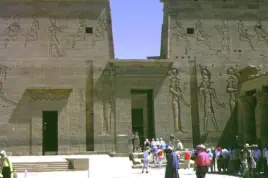
PHILA E Bij de bouw van de Hoge Dam werd men verplicht de tempel van Philae, opgedragen aan de godin Isis, te verplaatsen naar een nabij gelegen eiland. Het is een fraai geheel. De invloed van de Romeinse periode is te merken aan de nooit afgewerkte Trajanus kiosk.Bezoek de eilanden van Aswan per feloek: wandelen door de botanische tuinen op het eiland Kitchener en verder varen langs het mausoleum van de Aga Khan tot aan de legendarische Old Cataract hotel.PHILAEDuring the construction of the Hoge Dam one was obliged to move the temple of Philae, dedicated to the goddess Isis, to a nearby island. It is a beautiful whole. The influence of the Roman period can be seen in the never finished Trajan's kiosk.Visit the islands of Aswan by felucca: walk through the botanical gardens on the island of Kitchener and continue sailing past the mausoleum of the Aga Khan to the legendary Old Cataract hotel.
Karnak (Al Karnak: 'versterkt dorp') is een dorp in Egypte. Het ligt bij aan de oostoever van de rivier de Nijl en 2,5 km ten noorden van Luxor. Toeristen beschouwen Karnak en Luxor als identiek, omdat de twee in dezelfde agglomeratie staan. Karnak bestaat uit een klein dorp bij het grootste tempelcomplex dat de farao's ooit hebben gebouwd. Men associeert de naam Karnak meer met de tempels dan met het dorp; de tempels zijn tweemaal zo groot.De Tempels van Karnak zijn één groot museum en het grootste religieuze bouwwerk in de wereld. Het complex is toeristische trekpleister nummer twee in de meest bezochte plaats in Egypte, nummer één zijn de piramiden van Gizeh. De grote tempels kunnen worden onderverdeeld in vier hoofdgebouwen, waarbij er nog kleine heiligdommen zijn en vele rijen met sfinxen. Waarbij slechts één toegankelijk is voor het publiek, het is gelijk het grootste en het hart van de tempel. De bezoekers krijgen zo het idee dat Karnak alleen het gebied van Amon-re was, terwijl er ook andere goden vereerd werden.Karnak onderscheidt zich van andere tempels omdat er zolang door in de naam van farao's is gebouwd. Er werd mee begonnen in het Middenrijk, ongeveer 1600 voor Chr. en aan het hele project hebben 30 farao's meegedaan. Veel van de functies van de gebouwen zijn niet meer te vinden in Egypte en dus uniek. Maar vooral de grootte en het aantal gebouwen is overweldigend.Karnak (Al Karnak: 'fortified village') is a village in Egypt. It is located on the east bank of the Nile River and 2.5 km north of Luxor. Tourists regard Karnak and Luxor as identical, because the two are in the same agglomeration. Karnak consists of a small village near the largest temple complex that the pharaohs have ever built. People associate the name Karnak more with the temples than with the village; the temples are twice as big.The Temples of Karnak are one big museum and the largest religious building in the world. The complex is number two tourist attraction in the most visited place in Egypt, number one are the pyramids of Giza. The large temples can be divided into four main buildings, where there are still small shrines and many rows with sphinxes. Where only one is accessible to the public, it is the largest and the heart of the temple. The visitors get the idea that Karnak was only the area of Amon-re, while other gods were worshiped.Karnak differs from other temples because it has been built for so long in the name of pharaohs. It started in the Middle Kingdom, about 1600 BC. and 30 pharaohs participated in the whole project. Many of the functions of the buildings can no longer be found in Egypt and therefore unique. But especially the size and number of buildings is overwhelming.
Karnak
X
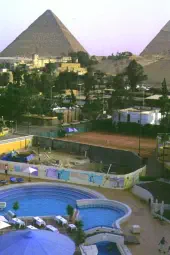
MEMFIS - SAKKARA - GIZEHXMemfis was één van de eerste hoofdsteden van Egypte, gesticht door de legendarische farao Menes. Van Memfis rest nog zeer weinig: midden een groot palmbos staat een mooie albasten sfinx, ernaast ligt een groot beeld van Ramses II.Te Sakkara staat het eerste in steen opgetrokken monumentale bouwwerk: de trappenpiramide van farao Djoser van de 3de dynastie.In Gizeh staan de drie wereldberoemde grote piramides, gebouwd als laatste rustplaats voor de farao's Cheops, Chefren en Mykerinos. Samen met de raadselachtige sfinx staan zij bijna 50 eeuwen aan de rand van de woestijn.MEMFIS - SAKKARA - GIZEHMemfis was one of the first capitals of Egypt, founded by the legendary Pharaoh Menes. From Memfis remains very little: in the middle of a large palm tree stands a beautiful alabaster sphinx, next to it is a large statue of Ramesses II.At Sakkara is the first monumental structure built in stone: the step pyramid of Pharaoh Djoser of the 3rd Dynasty.In Giza you will find the three world-famous great pyramids, built as the final resting place for the pharaohs Cheops, Chefren and Mykerinos. Together with the enigmatic sphinx they stand for almost 50 centuries on the edge of the desert.
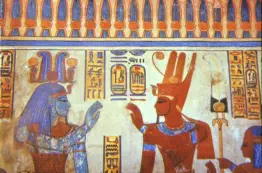
WESTELIJKE NIJLOEVER - MEMNON - ESNA XDe dodenstad van het oude Thebe. Op de westelijke Nijloever wordt een keuze van graven in de diverse valleien bezocht. In de Vallei der Koningen bevinden zich de graven van farao's zoals Sethi I, Amenofis IV, Ramses VI en Tut Anch Amon.In Deir El Bahari staat de Hathor tempel van de sterke koningin Hatchepsut, die samen met haar halfbroer en echtgenoot Tutmosis II regeerde en nadien het regentschap uitoefende over haar stiefzoon Tutmosis III, die na haar dood uit haat al haar beelden liet vernielen.Onderweg breng je een bezoek aan de kolossen van Memnon.De overblijfselen van een oude tempel gewijd aan de god Khnoum in Esna. De muren en zuilen zijn overdekt met teksten en scènes die een religieuze boodschap doorgeven.WESTERN NIJL - MEMNON - ESNA The dead city of the old Thebes. On the western Nijloever a choice of graves in the various valleys is visited. In the Valley of the Kings are the tombs of pharaohs such as Sethi I, Amenophis IV, Ramses VI and Tut Anch Amon.In Deir El Bahari stands the Hathor Temple of the strong Queen Hatchepsut, who reigned with her half-brother and husband Tutmosis II and then reigned over her stepson Tutmosis III, who after her death from hatred destroyed all her images.On the way you will visit the colossi of Memnon.The remains of an ancient temple dedicated to the god Khnoum in Esna. The walls and columns are covered with texts and scenes that convey a religious message.
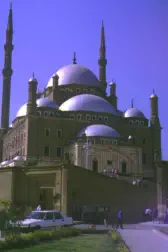
CAIROHet beroemde Egyptische museum: De ongeveer 100.000 tentoongestelde voorwerpen geven een globaal overzicht van meer dan 6.000 jaar Egyptische beschaving. Sarcofagen, begrafenisvoorwerpen, mummies en de unieke meubel- en juwelenverzameling van Toet Anch Amon zijn te bewonderen. De Citadel en de Mohamed Ali Moskee. De schilderachtige Khan El Khalili bazaar.De oude Koptische wijk van Cairo inclusief museum en kerk.CAIROThe famous Egyptian museum: The approximately 100,000 exhibits provide a global overview of more than 6,000 years of Egyptian civilization. Sarcophagi, funeral objects, mummies and the unique furniture and jewelery collection by Toet Anch Amon can be admired.The Citadel and the Mohamed Ali Mosque. The picturesque Khan El Khalili bazaar.The old Coptic district of Cairo including museum and church.
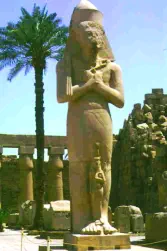
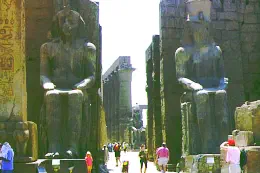
LUXORHet grootste tempelcomplex van Karnak: Het is een indrukwekkend geheel gewijd aan de oppergod Amon. Bezoek de gang der 40 rammen, de grote met portieken versierde binnenkoer, de 130 massale zuilen, de dubbele sfinxenrij, de tempels van Seti II en Ramses II, de obelisken en de reuzengrote beelden. Meer dan 800 jaar werd aan dit complex gewerkt.De tempel van Luxor, gewijd aan Amon en meesterwerk van de farao's Amenofis III en Ramses II. Een 3 km lange sfinxenrij van meer dan 700 beelden verbond deze prachtige tempel ooit met de tempel van Karnak.Inschepen op het deluxe cruiseschip M/S ImperialLUXORThe largest temple complex of Karnak: It is an impressive whole dedicated to the supreme god Amon. Visit the corridor of 40 rams, the large courtyard decorated with porches, the 130 massive columns, the double sphinx, the temples of Seti II and Ramses II, the obelisks and the giant statues. More than 800 years were worked on this complex.The temple of Luxor, dedicated to Amun and masterpiece of the pharaohs Amenofis III and Ramses II. A 3 km long sphinx row of more than 700 statues connected this beautiful temple with the temple of Karnak.Embark on the deluxe cruise ship M / S Imperial
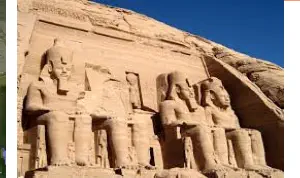
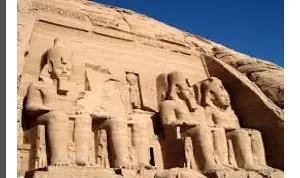
ABU SIMBELXDe schitterende door Ramses II gebouwde tempels werden net zoals de Philaetempel, in de jaren zestig met hulp van UNESCO verplaatst om niet overspoeld te worden door het water van het Nassermeer.De twee tempels werden uit een berg gehakt door Ramses II in de 13e eeuw v.Chr. om zijn Nubische buren onder de indruk te brengen en om zichzelf en zijn koningin Nefertari te eren. In de bergtempel bevonden zich in de grote zuilenhal acht zuilen in de gedaante van Ramses II, elk bijna 10 meter hoog. De afstand van de indrukwekkende voorhof tot aan het allerheiligste bedroeg 55 meter. Behalve de beelden in het inwendige van de tempel, liet Ramses voor de façade vier kolossale beelden van zichzelf maken. Tussen de benen van deze aan weerszijden van de hoofdingang geplaatste beelden staat een aantal kleinere beelden die de moeder van Ramses, zijn echtgenote koningin Nefertari en verscheidene van de 100 kinderen van de farao voorstellen. De tempel was zo gebouwd dat het zonlicht op twee dagen van het jaar via de ingang precies op drie van de vier in het heiligdom staande beelden viel, alleen op Ptah niet (de god van de duisternis) hij bleef altijd in het donker staan; Twee van de beelden stellen Ramses en de Egyptische oppergod Amon voor. Op deze dagen - respectievelijk in februari en oktober - werden wellicht de militaire overwinningen van Ramses II gevierd.ABU SIMBELThe magnificent temples built by Ramses II, just like the Philae temple, were moved with the help of UNESCO in the sixties in order not to be overwhelmed by the waters of Lake Nasser.The two temples were cut from a mountain by Ramesses II in the 13th century BC. to impress his Nubian neighbors and to honor himself and his queen Nefertari. In the mountain temple there were eight pillars in the large column hall in the shape of Ramses II, each nearly 10 meters high. The distance from the impressive forecourt to the most holy was 55 meters. In addition to the statues in the interior of the temple, Ramses had four colossal images of himself made for the façade. Between the legs of these images placed on either side of the main entrance is a number of smaller statues representing the mother of Ramses, his wife Queen Nefertari and several of the 100 children of the Pharaoh. The temple was built so that the sunlight fell on two of the four statues standing in the sanctuary two days a year, except for Ptah (the god of darkness) and he always stood in the dark; Two of the images represent Ramses and the Egyptian supreme god Amon. On these days - in February and October respectively - perhaps the military victories of Ramses II were celebrated.
Imagine yourself gliding along the serene waters of the Nile, the world's longest river, as you embark on a river cruise through Egypt. This journey offers a unique blend of ancient history, stunning landscapes, and modern luxury.As your cruise ship sails from Luxor to Aswan, you'll pass by some of Egypt's most iconic landmarks. The majestic temples of Karnak and Luxor, with their towering columns and intricate carvings, stand as testaments to the grandeur of ancient Egyptian civilization. The Valley of the Kings, where pharaohs were laid to rest in elaborate tombs, offers a glimpse into the afterlife beliefs of this fascinating culture.Onboard, you'll enjoy the comforts of a modern cruise ship, complete with luxurious cabins, gourmet dining, and a range of amenities. Relax on the sun deck with a refreshing drink in hand, or take a dip in the pool as you watch the ever-changing scenery pass by.Each day brings new adventures as you disembark to explore the wonders along the Nile. Visit the Temple of Edfu, dedicated to the falcon god Horus, and the Temple of Kom Ombo, unique for its dual dedication to two gods, Sobek and Haroeris. In Aswan, marvel at the engineering feat of the Aswan High Dam and take a leisurely sail on a traditional felucca boat.A Nile river cruise is not just a journey through Egypt; it's a voyage through time, offering an unforgettable experience that combines the best of ancient and modern worlds. Whether you're a history buff, a nature lover, or simply seeking a relaxing getaway, a cruise on the Nile promises to be an adventure of a lifetime.
Klik op een foto voor meer info !Click on a photo for info !
ASWANDe stuwdam en de granietgroeven. Hier vindt men nog een 42 m lange 'onvoltooide obelisk'. Er wordt verteld hoe de oude Egyptenaren overgingen tot het in één stuk uithouwen van obelisken uit de typisch rose graniet, eigen aan de streek.In de stad vind je het beroemde hotel ‘Old Cataract’ASWANThe dam and the granite quarries. Here you will find another 42 m long 'unfinished obelisk'. It is told how the ancient Egyptians proceeded to cut out obelisks in one piece from the typical rose granite, typical of the region.In the city you will find the famous hotel 'Old Cataract'
EDFOUIn Edfou gaat het per calèche naar de site voor bezoek aan de tempel, opgedragen aan de god Horus die afgebeeld wordt als een valk. Het dak van de tempel wordt gedragen door prachtige, in reliëf bewerkte palmzuilen. In dit tempelcomplex werden in een soort laboratorium heilige parfums gemaakt. Moderne Franse parfum ontwerpers, zoals Chanel, kopieerden hier de samenstellingen.KOM OMBO -De tempel gewijd aan de valkgod Haroëris en de krokodilgod Sobek kun je in Kom Ombo bezoeken.EDFOUEDFOEIn Edfou it goes by calèche to the site for a visit to the temple, dedicated to the god Horus who is depicted as a falcon. The roof of the temple is supported by beautiful, embossed palm pillars. In this temple complex sacred perfumes were made in a kind of laboratory. Modern French perfume designers, such as Chanel, copied the compositions here.KOM OMBO -The temple dedicated to the valkgod Haroëris and the crocodile god Sobek can be visited in Kom Ombo.
PHILA E Bij de bouw van de Hoge Dam werd men verplicht de tempel van Philae, opgedragen aan de godin Isis, te verplaatsen naar een nabij gelegen eiland. Het is een fraai geheel. De invloed van de Romeinse periode is te merken aan de nooit afgewerkte Trajanus kiosk.Bezoek de eilanden van Aswan per feloek: wandelen door de botanische tuinen op het eiland Kitchener en verder varen langs het mausoleum van de Aga Khan tot aan de legendarische Old Cataract hotel.PHILAEDuring the construction of the Hoge Dam one was obliged to move the temple of Philae, dedicated to the goddess Isis, to a nearby island. It is a beautiful whole. The influence of the Roman period can be seen in the never finished Trajan's kiosk.Visit the islands of Aswan by felucca: walk through the botanical gardens on the island of Kitchener and continue sailing past the mausoleum of the Aga Khan to the legendary Old Cataract hotel.
Karnak (Al Karnak: 'versterkt dorp') is een dorp in Egypte. Het ligt bij aan de oostoever van de rivier de Nijl en 2,5 km ten noorden van Luxor. Toeristen beschouwen Karnak en Luxor als identiek, omdat de twee in dezelfde agglomeratie staan. Karnak bestaat uit een klein dorp bij het grootste tempelcomplex dat de farao's ooit hebben gebouwd. Men associeert de naam Karnak meer met de tempels dan met het dorp; de tempels zijn tweemaal zo groot.De Tempels van Karnak zijn één groot museum en het grootste religieuze bouwwerk in de wereld. Het complex is toeristische trekpleister nummer twee in de meest bezochte plaats in Egypte, nummer één zijn de piramiden van Gizeh. De grote tempels kunnen worden onderverdeeld in vier hoofdgebouwen, waarbij er nog kleine heiligdommen zijn en vele rijen met sfinxen. Waarbij slechts één toegankelijk is voor het publiek, het is gelijk het grootste en het hart van de tempel. De bezoekers krijgen zo het idee dat Karnak alleen het gebied van Amon-re was, terwijl er ook andere goden vereerd werden.Karnak onderscheidt zich van andere tempels omdat er zolang door in de naam van farao's is gebouwd. Er werd mee begonnen in het Middenrijk, ongeveer 1600 voor Chr. en aan het hele project hebben 30 farao's meegedaan. Veel van de functies van de gebouwen zijn niet meer te vinden in Egypte en dus uniek. Maar vooral de grootte en het aantal gebouwen is overweldigend.Karnak (Al Karnak: 'fortified village') is a village in Egypt. It is located on the east bank of the Nile River and 2.5 km north of Luxor. Tourists regard Karnak and Luxor as identical, because the two are in the same agglomeration. Karnak consists of a small village near the largest temple complex that the pharaohs have ever built. People associate the name Karnak more with the temples than with the village; the temples are twice as big.The Temples of Karnak are one big museum and the largest religious building in the world. The complex is number two tourist attraction in the most visited place in Egypt, number one are the pyramids of Giza. The large temples can be divided into four main buildings, where there are still small shrines and many rows with sphinxes. Where only one is accessible to the public, it is the largest and the heart of the temple. The visitors get the idea that Karnak was only the area of Amon-re, while other gods were worshiped.Karnak differs from other temples because it has been built for so long in the name of pharaohs. It started in the Middle Kingdom, about 1600 BC. and 30 pharaohs participated in the whole project. Many of the functions of the buildings can no longer be found in Egypt and therefore unique. But especially the size and number of buildings is overwhelming.
MEMFIS - SAKKARA - GIZEHXMemfis was één van de eerste hoofdsteden van Egypte, gesticht door de legendarische farao Menes. Van Memfis rest nog zeer weinig: midden een groot palmbos staat een mooie albasten sfinx, ernaast ligt een groot beeld van Ramses II.Te Sakkara staat het eerste in steen opgetrokken monumentale bouwwerk: de trappenpiramide van farao Djoser van de 3de dynastie.In Gizeh staan de drie wereldberoemde grote piramides, gebouwd als laatste rustplaats voor de farao's Cheops, Chefren en Mykerinos. Samen met de raadselachtige sfinx staan zij bijna 50 eeuwen aan de rand van de woestijn.MEMFIS - SAKKARA - GIZEHMemfis was one of the first capitals of Egypt, founded by the legendary Pharaoh Menes. From Memfis remains very little: in the middle of a large palm tree stands a beautiful alabaster sphinx, next to it is a large statue of Ramesses II.At Sakkara is the first monumental structure built in stone: the step pyramid of Pharaoh Djoser of the 3rd Dynasty.In Giza you will find the three world-famous great pyramids, built as the final resting place for the pharaohs Cheops, Chefren and Mykerinos. Together with the enigmatic sphinx they stand for almost 50 centuries on the edge of the desert.
WESTELIJKE NIJLOEVER - MEMNON - ESNA XDe dodenstad van het oude Thebe. Op de westelijke Nijloever wordt een keuze van graven in de diverse valleien bezocht. In de Vallei der Koningen bevinden zich de graven van farao's zoals Sethi I, Amenofis IV, Ramses VI en Tut Anch Amon.In Deir El Bahari staat de Hathor tempel van de sterke koningin Hatchepsut, die samen met haar halfbroer en echtgenoot Tutmosis II regeerde en nadien het regentschap uitoefende over haar stiefzoon Tutmosis III, die na haar dood uit haat al haar beelden liet vernielen.Onderweg breng je een bezoek aan de kolossen van Memnon.De overblijfselen van een oude tempel gewijd aan de god Khnoum in Esna. De muren en zuilen zijn overdekt met teksten en scènes die een religieuze boodschap doorgeven.WESTERN NIJL - MEMNON - ESNA The dead city of the old Thebes. On the western Nijloever a choice of graves in the various valleys is visited. In the Valley of the Kings are the tombs of pharaohs such as Sethi I, Amenophis IV, Ramses VI and Tut Anch Amon.In Deir El Bahari stands the Hathor Temple of the strong Queen Hatchepsut, who reigned with her half-brother and husband Tutmosis II and then reigned over her stepson Tutmosis III, who after her death from hatred destroyed all her images.On the way you will visit the colossi of Memnon.The remains of an ancient temple dedicated to the god Khnoum in Esna. The walls and columns are covered with texts and scenes that convey a religious message.
CAIROHet beroemde Egyptische museum: De ongeveer 100.000 tentoongestelde voorwerpen geven een globaal overzicht van meer dan 6.000 jaar Egyptische beschaving. Sarcofagen, begrafenisvoorwerpen, mummies en de unieke meubel- en juwelenverzameling van Toet Anch Amon zijn te bewonderen. De Citadel en de Mohamed Ali Moskee. De schilderachtige Khan El Khalili bazaar.De oude Koptische wijk van Cairo inclusief museum en kerk.CAIROThe famous Egyptian museum: The approximately 100,000 exhibits provide a global overview of more than 6,000 years of Egyptian civilization. Sarcophagi, funeral objects, mummies and the unique furniture and jewelery collection by Toet Anch Amon can be admired.The Citadel and the Mohamed Ali Mosque. The picturesque Khan El Khalili bazaar.The old Coptic district of Cairo including museum and church.
LUXORHet grootste tempelcomplex van Karnak: Het is een indrukwekkend geheel gewijd aan de oppergod Amon. Bezoek de gang der 40 rammen, de grote met portieken versierde binnenkoer, de 130 massale zuilen, de dubbele sfinxenrij, de tempels van Seti II en Ramses II, de obelisken en de reuzengrote beelden. Meer dan 800 jaar werd aan dit complex gewerkt.De tempel van Luxor, gewijd aan Amon en meesterwerk van de farao's Amenofis III en Ramses II. Een 3 km lange sfinxenrij van meer dan 700 beelden verbond deze prachtige tempel ooit met de tempel van Karnak.Inschepen op het deluxe cruiseschip M/S ImperialLUXORThe largest temple complex of Karnak: It is an impressive whole dedicated to the supreme god Amon. Visit the corridor of 40 rams, the large courtyard decorated with porches, the 130 massive columns, the double sphinx, the temples of Seti II and Ramses II, the obelisks and the giant statues. More than 800 years were worked on this complex.The temple of Luxor, dedicated to Amun and masterpiece of the pharaohs Amenofis III and Ramses II. A 3 km long sphinx row of more than 700 statues connected this beautiful temple with the temple of Karnak.Embark on the deluxe cruise ship M / S Imperial
ABU SIMBELXDe schitterende door Ramses II gebouwde tempels werden net zoals de Philaetempel, in de jaren zestig met hulp van UNESCO verplaatst om niet overspoeld te worden door het water van het Nassermeer.De twee tempels werden uit een berg gehakt door Ramses II in de 13e eeuw v.Chr. om zijn Nubische buren onder de indruk te brengen en om zichzelf en zijn koningin Nefertari te eren. In de bergtempel bevonden zich in de grote zuilenhal acht zuilen in de gedaante van Ramses II, elk bijna 10 meter hoog. De afstand van de indrukwekkende voorhof tot aan het allerheiligste bedroeg 55 meter. Behalve de beelden in het inwendige van de tempel, liet Ramses voor de façade vier kolossale beelden van zichzelf maken. Tussen de benen van deze aan weerszijden van de hoofdingang geplaatste beelden staat een aantal kleinere beelden die de moeder van Ramses, zijn echtgenote koningin Nefertari en verscheidene van de 100 kinderen van de farao voorstellen. De tempel was zo gebouwd dat het zonlicht op twee dagen van het jaar via de ingang precies op drie van de vier in het heiligdom staande beelden viel, alleen op Ptah niet (de god van de duisternis) hij bleef altijd in het donker staan; Twee van de beelden stellen Ramses en de Egyptische oppergod Amon voor. Op deze dagen - respectievelijk in februari en oktober - werden wellicht de militaire overwinningen van Ramses II gevierd.ABU SIMBELThe magnificent temples built by Ramses II, just like the Philae temple, were moved with the help of UNESCO in the sixties in order not to be overwhelmed by the waters of Lake Nasser.The two temples were cut from a mountain by Ramesses II in the 13th century BC. to impress his Nubian neighbors and to honor himself and his queen Nefertari. In the mountain temple there were eight pillars in the large column hall in the shape of Ramses II, each nearly 10 meters high. The distance from the impressive forecourt to the most holy was 55 meters. In addition to the statues in the interior of the temple, Ramses had four colossal images of himself made for the façade. Between the legs of these images placed on either side of the main entrance is a number of smaller statues representing the mother of Ramses, his wife Queen Nefertari and several of the 100 children of the Pharaoh. The temple was built so that the sunlight fell on two of the four statues standing in the sanctuary two days a year, except for Ptah (the god of darkness) and he always stood in the dark; Two of the images represent Ramses and the Egyptian supreme god Amon. On these days - in February and October respectively - perhaps the military victories of Ramses II were celebrated.